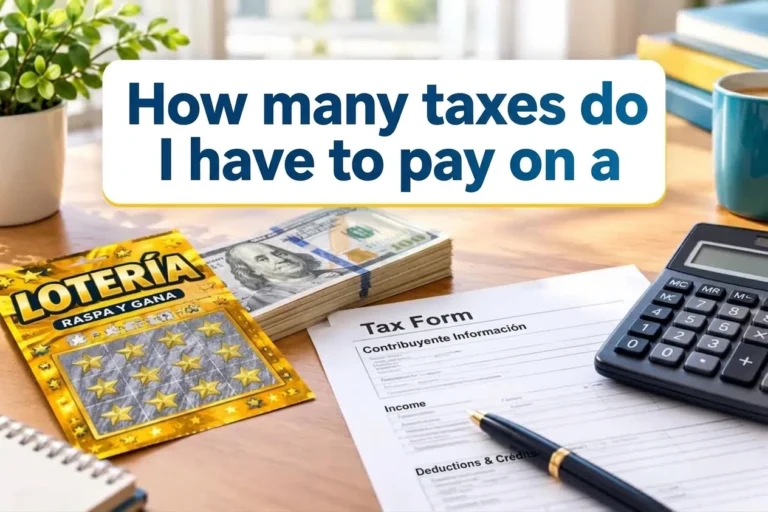

Every week, thousands of winning tickets in New York go unclaimed because someone forgot a key rule of state regulations. That rule changes completely depending on whether the ticket was purchased at a physical store or played through an authorized mobile app. Before buying the next ticket, it pays to understand exactly how to play the lottery in New York and what a difference that detail can make between collecting or losing a prize.
Quick Answer
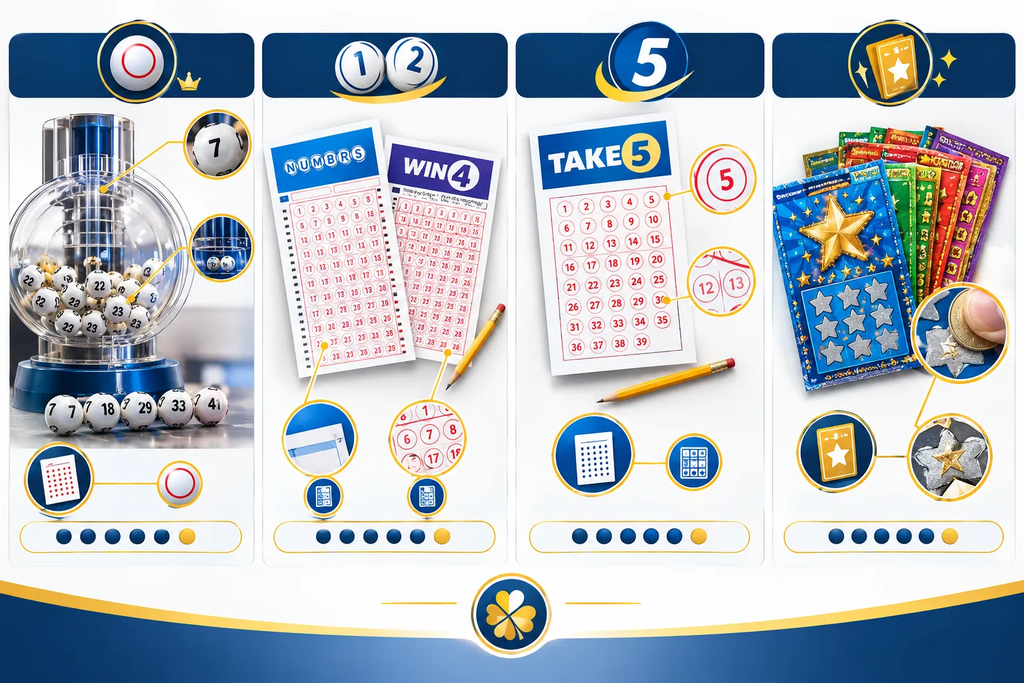
To play the lottery in New York, you first choose your game: Powerball, Mega Millions, Cash4Life, Numbers, Win 4, Take 5, or the popular scratch-offs. Then, you buy the ticket at a New York Lottery authorized retailer or through an official digital app like Jackpocket, available statewide. Players can pick their own numbers or request an automatic play called Quick Pick. Finally, check the results on the official website, on the app, or at the same store, and claim your prize according to the amount won, always respecting the legal claim deadlines.
How to Play the Lottery in New York: Games and Rules
The New York Lottery is one of the largest lottery systems in the United States and operates under state supervision. It functions through daily and multi-state drawings, with tickets sold at thousands of authorized locations across the five boroughs. Understanding how to play the lottery in New York begins by recognizing that each game has its own cost, schedule, and payout method.
Below are the essential steps to participate legally, from selecting the right game to verifying a winning ticket. Official in-person and digital purchasing options recognized by the state are also detailed. With this information, any resident or visitor of legal age can play with confidence and without setbacks.
Main New York Lottery Games and Their Modalities
Multi-State Drawings: Powerball and Mega Millions
Powerball is played by picking five numbers from 1 to 69 plus a red number (Powerball) from 1 to 26; drawings take place on Monday, Wednesday, and Saturday nights. Mega Millions follows a similar structure with five main numbers and a Mega Ball, with drawings on Tuesdays and Fridays. Both games allow the Quick Pick option, ideal for those who prefer the system to generate numbers automatically. The basic cost per play is around two dollars, with additional options like multipliers to increase secondary prizes.
New York Daily Games: Numbers, Win 4, and Take 5
Daily games are a popular option among the Hispanic community because they allow small wagers and frequent drawings, twice a day. Numbers uses three digits and Win 4 uses four, both offering betting options like straight, box, or combination. Take 5 requires selecting five numbers from 1 to 39, with drawings also twice daily and rolling jackpots. These games typically close sales about twenty minutes before each drawing, so it is advisable to buy in advance.
Scratch-Offs, Quick Draw, and Money Dots
Scratch-Offs offer instant prizes without waiting for a drawing, and the New York Lottery constantly releases new series, such as recent editions of the VIP Millions game featuring top prizes that generate high demand. Quick Draw is a fast-paced game with drawings every few minutes, but requires the player to be at least 18 years old and, in some establishments, can only be played in places licensed to serve alcohol if played on the premises. Money Dots is another fast-paced modality with similar age requirements. To learn more about wellness and complementary services in the community, you can visit the pharmacy and vaccination services available in the neighborhood.
| Game | Approximate Cost | Drawing Frequency |
| Powerball | From $2 | Monday, Wednesday, and Saturday |
| Mega Millions | From $2 | Tuesday and Friday |
| Take 5 | From $1 | Twice a day |
| Numbers / Win 4 | From $0.50 | Twice a day |
| Scratch-Offs | Varies by series | Instant prize |
Steps to Buy Tickets and Verify Results in NY State
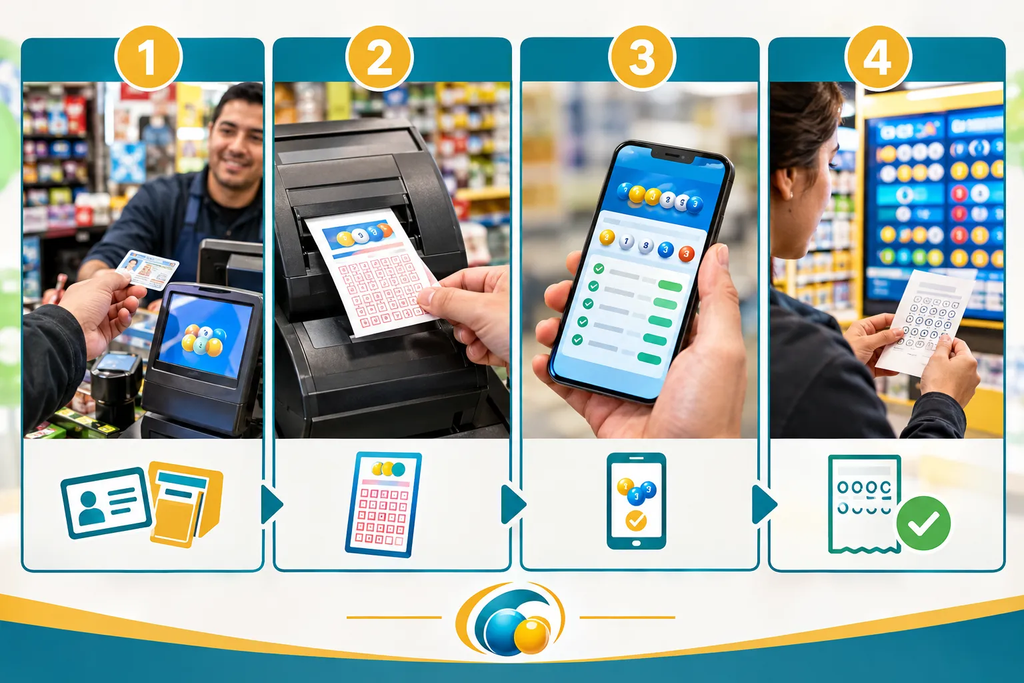
The legal minimum age to buy or cash a lottery ticket in New York is 18 years old, without exception, for both in-person and digital purchases. In-person purchases are made at bodegas, pharmacies, and registered agencies displaying the official New York Lottery logo, where players fill out a physical playslip or ask for random numbers. As a modern alternative, the Jackpocket app allows you to buy tickets from your phone, receive result notifications, and, in some cases, redeem smaller prizes directly from the app.
To check if a ticket has won, there are several official methods: review the New York Lottery website, use the scanner at authorized store terminals, or consult the mobile application. Smaller prizes are claimed directly at the point of sale, while larger prizes require presenting yourself at a regional lottery office with valid identification. It is fundamental to sign the back of the physical ticket immediately after purchasing it, as that signature is the legal proof of ownership in case of any dispute. Those seeking additional information on personal care products or wellness while running errands in the neighborhood can explore the latin products and personal care store in Jackson Heights.
Playing the lottery in New York can be a simple and legal form of entertainment when you know the basic rules: choose the right game, buy at an authorized location or official app, and check results promptly. The most important thing after buying any ticket is to sign it immediately on the back and store it in a safe place, away from moisture and prying eyes, as that signature is your only legal guarantee of prize ownership. If you have any questions regarding deadlines, taxes, or claim procedures, it is best to contact official New York Lottery customer service centers directly or visit an authorized regional office.
Key Takeaways
- To play the lottery in New York, you must be at least 18 years old, with no exceptions for any game.
- The main games include Powerball, Mega Millions, Cash4Life, Numbers, Win 4, Take 5, Quick Draw, and Scratch-Offs.
- Purchases can be made at authorized physical retailers or through official apps like Jackpocket.
- The Quick Pick option generates numbers automatically for those who do not wish to pick them manually.
- Prizes must be claimed within strict legal deadlines, and a signed ticket is the only valid proof of ownership.
- Fast-paced games like Quick Draw have additional rules depending on the venue where they are played.
Frequently Asked Questions
What percentage of federal and New York state taxes is automatically withheld from a lottery jackpot?
Prizes exceeding $5,000 are subject to automatic federal tax withholding, generally around 24 percent, plus New York state withholding, which can exceed 8 percent depending on the total amount won. New York City residents may also face an additional municipal tax withholding. The final amount received will always be less than the advertised jackpot due to these mandatory deductions.
Can a tourist or a person without a Social Security Number (SSN) collect a NY Lottery prize?
Yes, a tourist or a person without a Social Security Number can buy tickets and claim prizes in New York, as the law does not require citizenship or residency to play. However, for larger prizes, valid photo identification will be requested, and a higher tax withholding rate may apply if the individual does not have a U.S. Tax Identification Number. It is recommended to consult with a regional lottery office prior to claiming large amounts.
What is the exact deadline in months or days to claim a winning prize before it expires?
The general deadline to claim most New York Lottery prizes is one year from the drawing date, although some scratch-off games may have different deadlines depending on the specific series end date. Once that period has passed, the prize is considered expired and the money cannot be claimed under any circumstances, making prompt ticket checking essential.
Medical Notice: This article is for general informational purposes and does not substitute for the advice of a qualified healthcare professional. For any concerns regarding medications, supplements, or treatments, always consult a licensed pharmacist or doctor.