
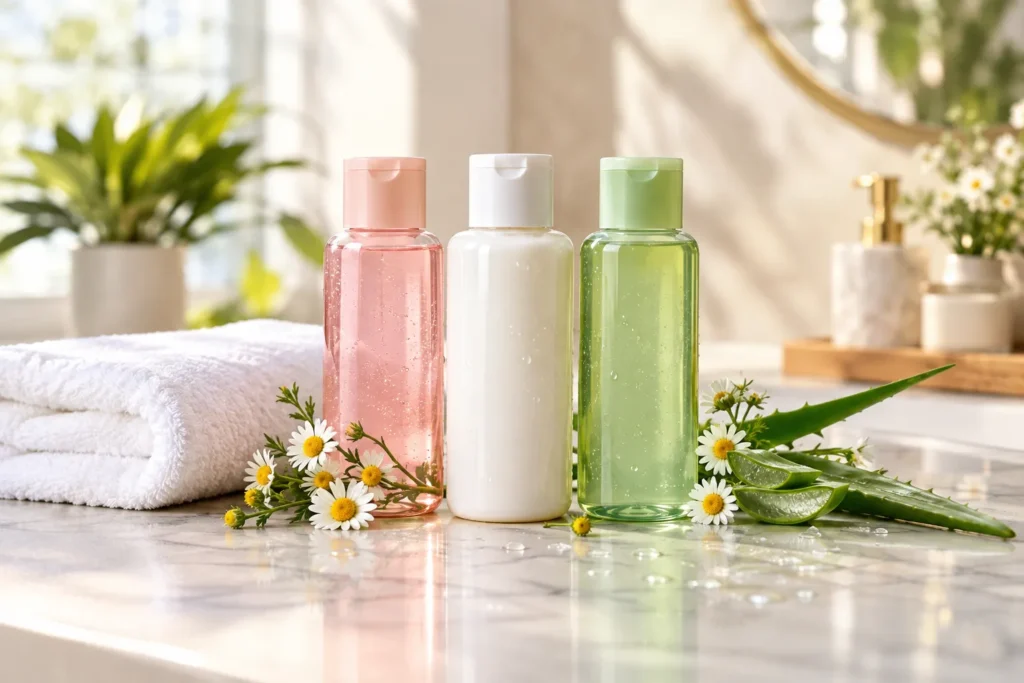
A single wash with the wrong soap can take up to seventy-two hours to repair the damage it causes to the protective microbiota. Many conventional soaps contain a harsh cleansing agent, sodium lauryl ether sulfate, which dissolves the natural lactic acid barrier and leaves the skin vulnerable. The result, silent at first, often appears days later as itching, dryness, or recurring infections that seem to have no clear explanation.
Quick Answer
Intimate soaps are dermatological or gynecological cleansers formulated with a physiological acidic pH, generally between 3.5 and 5.5. They are free of harsh sulfates, parabens, and strong perfumes, and are designed to gently cleanse the vulvar or external genital area without disrupting the protective microbiota or causing dryness. They are not mandatory for everyone, but they are useful for those seeking greater comfort or with specific professional guidance.
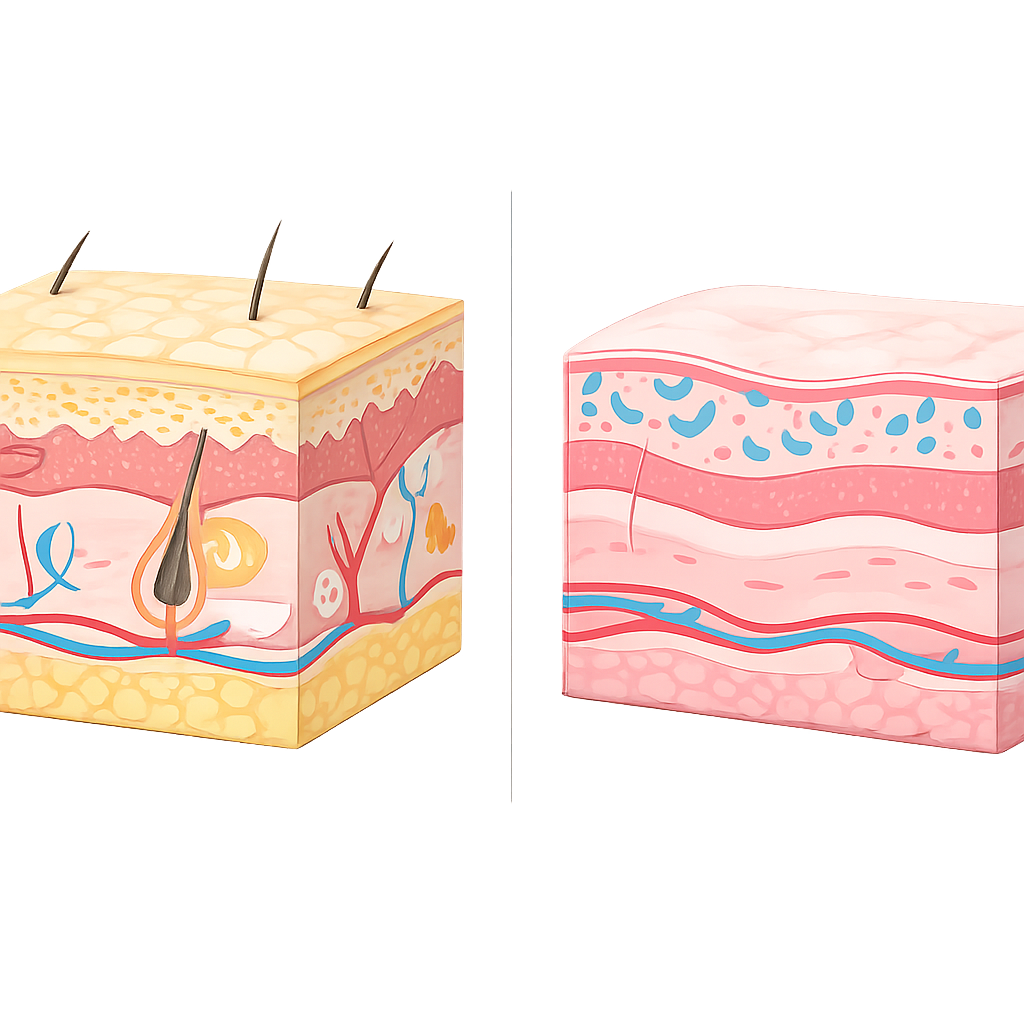
Intimate Soaps: The Importance of pH and Microbiota
Body skin has a pH that ranges between 5.5 and 7, while the intimate area naturally maintains a more acidic environment, close to 3.5–4.5. This difference exists because beneficial bacteria, such as lactobacilli, produce lactic acid to form a protective barrier against harmful microorganisms. Using products intended for body skin in this area disrupts that delicate balance and opens the door to infections.
Therefore, choosing correctly among the intimate soaps available on the market is not an aesthetic whim, but a preventive health decision. Below are the most important selection criteria and the key components that distinguish a safe product from a potentially irritating one, as well as daily hygiene errors to avoid.
Essential Features of a Safe Intimate Cleanser
Not all products labeled “intimate” actually meet the necessary dermatological standards. Knowing the ingredients and characteristics a reliable formula should have helps in making informed decisions at the pharmacy or supermarket.
Lactic Acid and Controlled pH
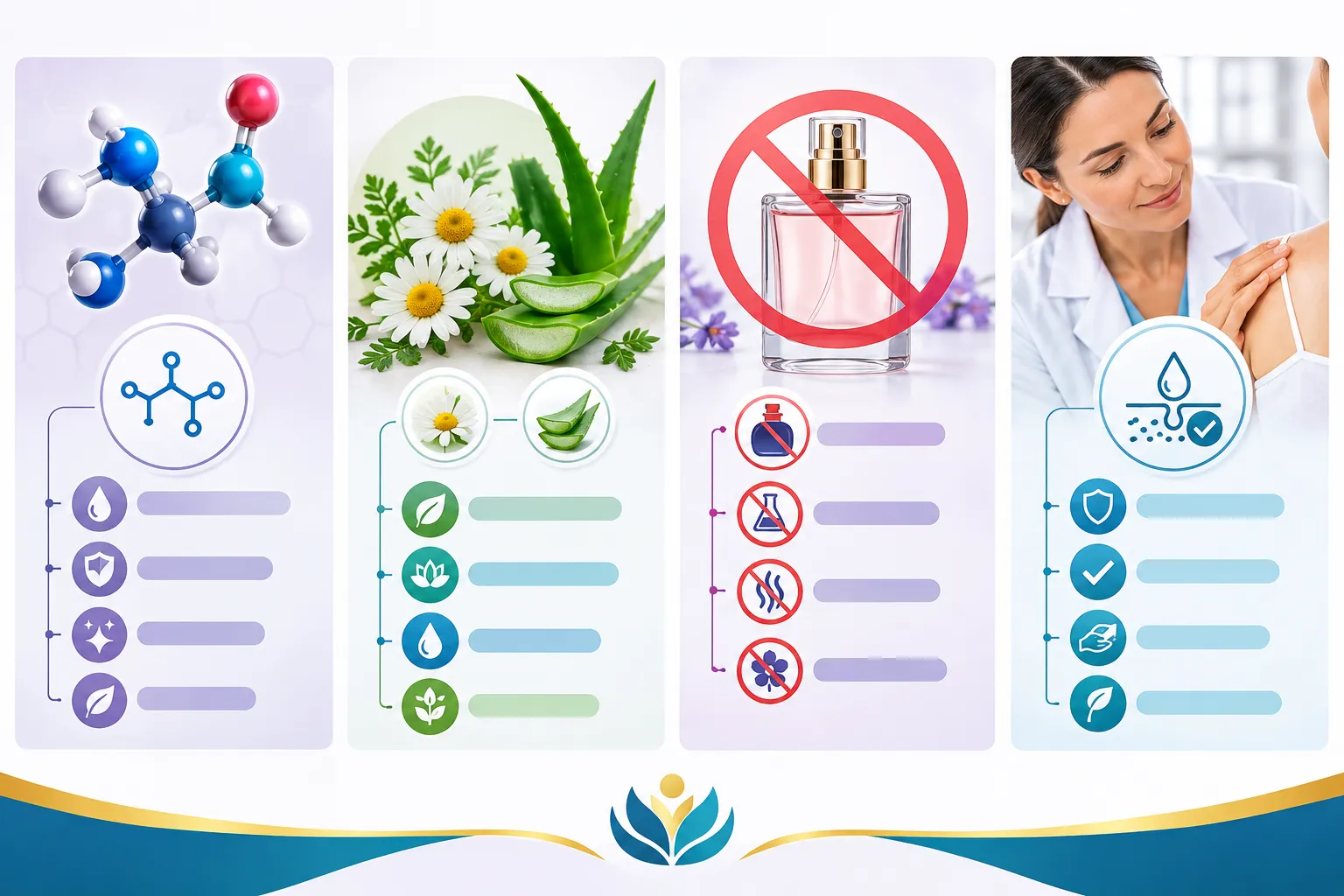
Quality intimate soaps include lactic acid or citric acid in their formula—components that help maintain pH within the physiological range of 3.8 to 4.5. This detail, though seemingly small, marks the difference between a product that protects vaginal flora and one that weakens it with every use.
Natural Soothing Agents
Ingredients like chamomile and aloe vera offer mild soothing and anti-inflammatory properties, ideal for sensitive or irritation-prone skin. These components are widely used in recognized European and Latin American pharmacy lines aimed at calming minor discomforts without resorting to aggressive chemicals.
Absence of Fragrances and Alcohol
A good intimate cleanser should be free of intense synthetic fragrances and alcohol, two of the main causes of allergic reactions and dryness in the genital area. Hypoallergenic formulas, dermatologically and gynecologically tested, are the safest option—especially for those who have previously experienced irritation.
Formulas Without Harsh Antibacterial Agents
Experts agree that daily-use antiseptic products are not recommended because they indiscriminately eliminate both harmful and beneficial bacteria. The distinction between a daily-use gel and an antiseptic one is key, and the latter should be reserved solely for specific situations indicated by a professional.
For those looking for reliable options, checking the personal care and vitamins section in the Latino products store can help identify locally available pH-balanced brands.
Common Mistakes in Daily Intimate Hygiene and How to Avoid Them
Many recurring infections do not stem from a lack of hygiene, but from excessive or improper practices that disrupt the body’s natural balance. Recognizing these mistakes is the first step toward correcting them.
| Risk Practice | Why It Is Harmful | Recommended Alternative |
| Internal vaginal douching | Eliminates protective bacteria and alters microbiota | External cleansing only, on the vulva |
| Abrasive sponges or loofahs | Create micro-friction that irritates sensitive skin | Use clean hands with gentle movements |
| Washing more than twice a day | Dries out skin and weakens the acidic barrier | Clean once or twice a day maximum |
| Scented bar soap | Has an alkaline pH, incompatible with the intimate area | Use cleansers with a pH between 3.5 and 5.5 |
| Sprays or “deep cleaning” products | Unnecessary; the vagina is self-cleaning | Warm water and, if desired, a gentle external gel |
“The vagina does not need internal cleansing products: its self-cleaning capacity is part of the body’s natural design,” gynecological health specialists frequently remind us.
It is important to highlight that in some countries in the region, health alerts have been reported regarding intimate products sold without adequate sanitary registration. This reinforces the need to purchase only from trusted establishments and to choose properly labeled products. For those who prefer personalized guidance, scheduling a consultation through the pharmacy and vaccination services at Colombia Pharmacy can be a great starting point.
Even individuals without obvious discomfort can benefit simply from cleansing the area with warm water several days a week, reserving the use of specialized products for days when it feels necessary—for example, after intense exercise or during menstruation.
Which One to Choose?
Choosing correctly among the intimate soaps available on the market is not a minor detail: it is a concrete way to preserve the body’s natural defenses and avoid discomforts that often stem from well-intentioned but improper practices. An acidic pH, the absence of aggressive fragrances, and moderate frequency of use are the pillars of truly healthy intimate hygiene.
Medical Notice: This article is for informational purposes and does not substitute for a consultation with a qualified healthcare professional. For any persistent symptoms, doubts, or specific medical conditions, always consult your trusted doctor, gynecologist, or pharmacist.
Key Takeaways
- The natural acidic pH of the intimate area (between 3.5 and 4.5) differs from the rest of the body and requires specifically formulated products that respect it.
- Intimate soaps should avoid harsh sulfates, parabens, alcohol, and strong synthetic fragrances.
- Washing the area once or twice a day is sufficient; over-cleansing can dry out and irritate the skin.
- Internal douching and “deep cleaning” sprays are unnecessary because the vagina naturally self-cleans.
- Always use the product externally only, in small amounts, and with a thorough rinse—never inside the vagina.
- In the event of persistent discomfort, itching, or unusual discharge, it is important to consult a healthcare professional before self-medicating.
Frequently Asked Questions
Should men also use soaps with a specific pH for their genital hygiene?
Yes. The skin on the glans and male genital area is also more delicate than the rest of the body, even though it does not have vaginal flora to protect. A gentle, unfragranced cleanser with a balanced pH is recommended, especially for uncircumcised men, where moisture buildup under the foreskin can foster irritation if overly alkaline or perfumed soaps are used.
Is it recommended to use intimate cleansers during menstruation or pregnancy?
During menstruation, a gentle cleanser with an acidic pH can help manage flow and odor without irritating skin already sensitized by hormonal shifts. During pregnancy, the vaginal mucosa is often more sensitive due to hormonal variations, so opting for hypoallergenic formulas and preferably consulting your attending gynecologist first is advised.
What is the difference between a daily-use intimate gel and a cleanser with antiseptic properties for infection episodes?
A daily-use gel is formulated to maintain natural balance without disrupting the microbiota, whereas an antiseptic cleanser contains stronger active agents designed to reduce microorganisms during a specific episode of infection or irritation. The latter should not be used continuously or without professional guidance, as prolonged use can also destroy beneficial bacteria.