
A bar made with 70% Colombian cacao does not taste like one made with 70% Ecuadorian cacao, and neither resembles a Belgian truffle. When people talk about the world’s best chocolate country by country, they are really comparing two different things: where the cacao grows and the craft of transforming it. Understanding that difference changes how you pick a chocolate bar.
Quick Answer
The Latin American countries —Colombia, Ecuador, Venezuela and Peru— are known for growing fine-flavor cacao, the raw material behind the most complex chocolate on the planet. The European countries —Switzerland, Belgium, France and Italy— do not grow cacao in meaningful amounts, but they built chocolate-making traditions that turn that cacao into refined products. The most memorable chocolate usually combines both ends: good origin and a good hand.
Have questions or need guidance regarding Latin and Colombian products? Speak directly with our friendly team in Jackson Heights, in English or Spanish.

1. Colombia: Cacao Biodiversity in One Country
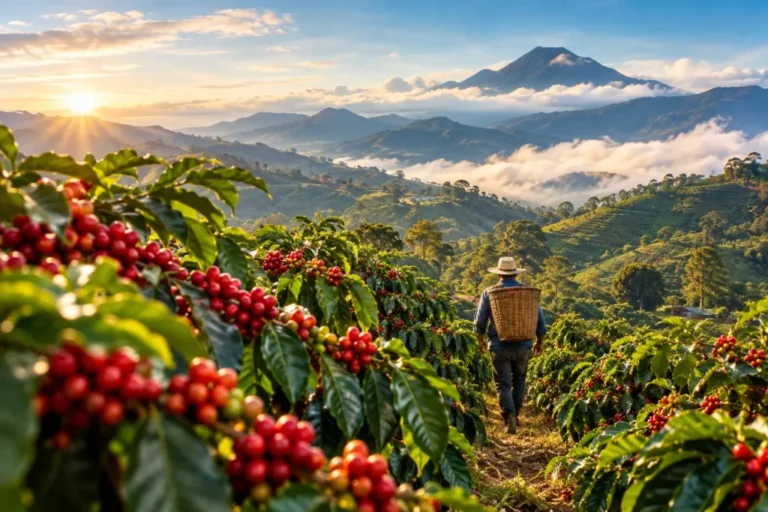
Colombia has an unusual advantage: several cacao-growing regions with different microclimates, which produces varied flavor profiles within one territory. Some areas give cacao with fruity, citrusy notes; others, earthier and more spiced profiles.
When buying Colombian chocolate, look for the department or region of origin on the label, not just the country. That detail usually signals more careful quality control from the farm through the roast.
2. Ecuador: Home of Fine-Flavor Cacao
Ecuador is one of the names most historically associated with fine-flavor cacao, an internationally recognized category known for floral and fruity notes, in contrast to the bulk cacao used in mass production.
On the label, terms such as “cacao nacional” or “arriba” can be a clue to authenticity. These chocolates tend to have delicate notes, sometimes with hints of jasmine or ripe fruit, which get lost when the bar is overloaded with sugar or artificial flavoring.
3. Venezuela: Old Tradition, Deep Flavor
Venezuela has a long cacao history, with criollo varieties considered among the most prized for their aromatic complexity. The profile tends to be less acidic than other Latin American origins, with notes closer to nuts and mild spices.
Because of logistical and economic conditions in the country, certified single-origin Venezuelan chocolate can be harder to find outside specialty channels. When it does appear, check whether the packaging names the producing region, which usually correlates with a stricter selection process.
4. Peru: Altitude, Genetic Variety and a Wild Edge
Peru stands out for the genetic diversity of its cacao varieties, many of them grown in high-altitude valleys that create conditions unlike the low tropics. That translates into chocolate with marked acidity and notes ranging from fruity to slightly woody.
A useful label signal is a mention of “cacao criollo” or the names of specific valleys such as the Marañón, associated with cacao of recognized quality within the country.
5. Switzerland: The Cradle of Modern Chocolate Making
Switzerland does not grow cacao, but it built its reputation by perfecting key industrial processes such as conching, a technique that smooths the texture of chocolate and softens its perceived acidity. It is also a country where chocolate has been part of everyday eating for generations.
The typical Swiss profile is creamy, balanced and low in acidity. On the label, check whether it uses real cocoa butter or substitute vegetable fats, which directly affects the final texture.
6. Belgium: The Kingdom of Praline and Fine Milk Chocolate
Belgium is synonymous with pralines and filled bonbons, a tradition that combines quality cacao with elaborate filling techniques. Belgian making tends to favor unctuous textures and combinations with nuts, liqueurs or creams.
When choosing Belgian chocolate, the “Belgian chocolate” certification on the packaging can help, though what matters most is still the cacao percentage and the type of fat used, since quality varies widely between mass brands and artisan chocolatiers.
7. France: Technical Precision and Signature Chocolate
The French chocolate tradition is closely tied to fine pastry, with chocolatiers who treat cacao almost as a haute-cuisine ingredient. The approach tends to prioritize single origin over blends, highlighting the terroir of the cacao much as is done with wine.
On quality French labels it is common to see the name of the plantation or cooperative of origin, a traceability marker usually associated with tighter flavor control.
8. Italy: Gianduja, Hazelnuts and a Distinctive Fusion
Italy contributes a different profile: cacao fused with hazelnuts, popularized through gianduja. The combination originally emerged as a way to stretch available cacao, but it evolved into a style of its own that is widely appreciated.
When buying Italian chocolate with hazelnuts, checking the actual percentage of hazelnut and cacao in the ingredient list helps tell artisan products from industrial versions with less of both.
How to Read a Chocolate Label Properly
The cacao percentage tells you the total proportion of cocoa solids and cocoa butter in the bar, but on its own it does not determine quality. A single-origin chocolate —cacao from one region or even one farm— usually offers a more defined flavor profile than blends from multiple origins.
The other key point is telling cocoa butter apart from substitute vegetable fats. Real cocoa butter gives the texture that melts smoothly in the mouth; vegetable fats, sometimes used to cut costs, tend to leave a denser or waxier feel. Reading the ingredient list, not just the front of the package, is the most reliable habit for judging a chocolate before buying it.
Looking for Colombian chocolate? Find Chocolate Corona in Jackson Heights at Colombia Pharmacy.
Key Takeaways
- Latin American countries supply the fine-flavor cacao; European countries supply the making tradition.
- Colombia, Ecuador, Venezuela and Peru stand out for the diversity and quality of their native cacao varieties.
- Switzerland, Belgium, France and Italy built their reputation by perfecting processing techniques, not by growing cacao.
- The cacao percentage on the label does not guarantee quality by itself; origin and ingredients matter more.
- Telling cocoa butter apart from substitute vegetable fats is key to judging a chocolate’s texture and authenticity.
Conclusion
Comparing the world’s best chocolate country by country comes down to recognizing that origin and making play different but complementary roles. A good chocolate pairs well-grown cacao with a careful transformation process. Before your next purchase, reading the label with attention to origin and ingredients can be the difference between a generic bar and a genuinely memorable one. To explore Colombian-origin options, visit the Latin products store at Colombia Pharmacy, at 85-26 37th Ave, Jackson Heights, or call (718) 424-6660.
Frequently Asked Questions
What is the difference between fine-flavor cacao and conventional cacao?
Fine-flavor cacao is characterized by complex flavor profiles, with fruity, floral or spiced notes, while conventional cacao is generally used in mass production with a more uniform, less distinctive taste.
Why is Switzerland famous for chocolate if it does not grow cacao?
Switzerland has no tropical climate for growing cacao, but it developed processing techniques such as conching that improved the texture and flavor of chocolate, building a reputation based on manufacturing rather than farming.
Is Colombian chocolate considered fine-flavor?
Yes, several regions of Colombia produce cacao classified as fine-flavor, though the country also grows conventional varieties, so checking the region of origin on the label helps identify the higher-quality lots.
Need Pharmaceutical Guidance in Jackson Heights?
Visit us at 85-26 37th Ave, Jackson Heights, NY 11372 or call us directly at (718) 424-6660.
Business Hours:
Monday to Saturday: 10:00 AM – 7:00 PM
Sunday: 10:00 AM – 5:00 PM
Prefer to send a message? Reach out through our contact form or email: colombiapharmacy@gmail.com.